

How to Choose Agricultural Equipment Suppliers: 6 Tips for Agribusiness
04.04.2025
Agronomic Consulting: A Key Factor in Modern Agribusiness Development
04.04.2025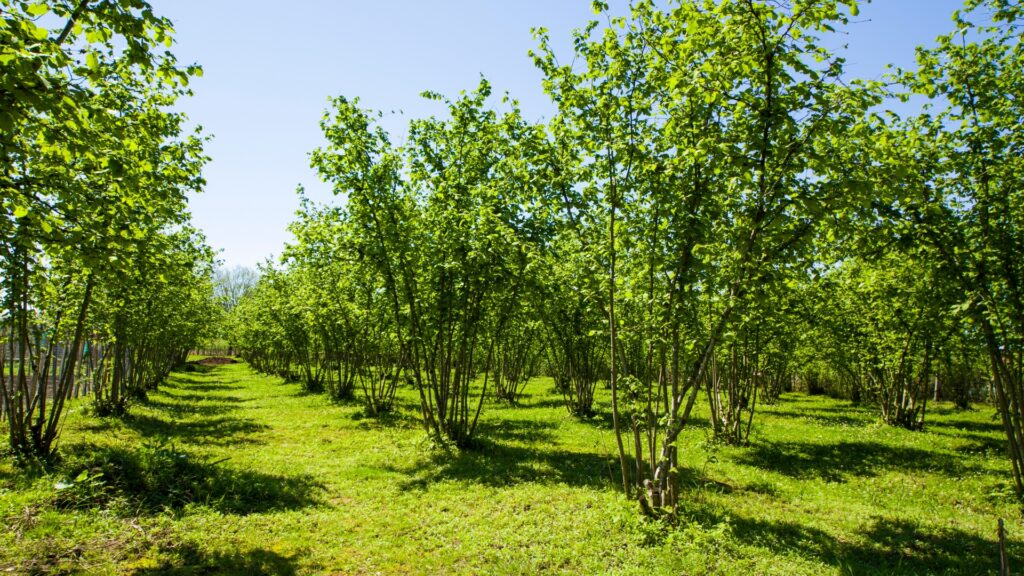
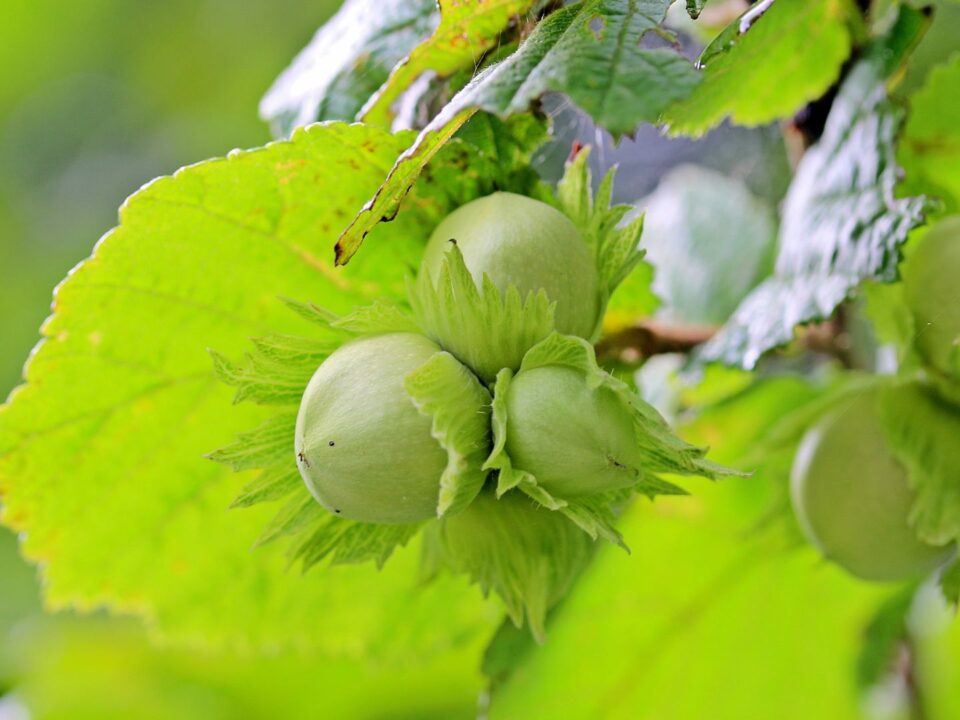
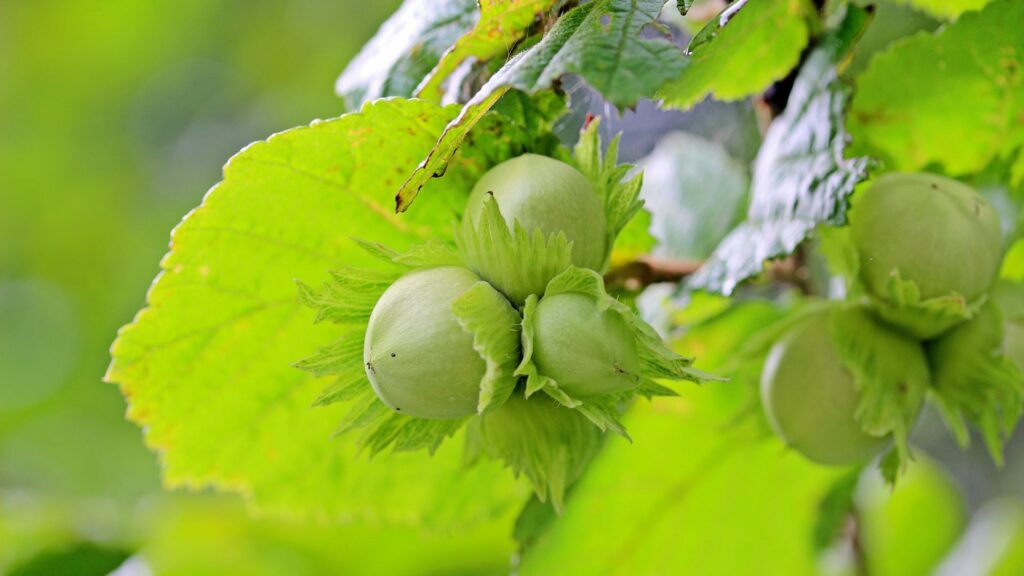
Hazelnuts are among the most valuable and demanding crops in the agricultural industry. To ensure high product quality and maximize yield, it’s essential to implement modern technologies at every stage—from planting and cultivation to harvesting and processing. The right selection of equipment and technologies for hazelnut processing directly impacts both production efficiency and the quality of the final product. In this article, we’ll explore the key technologies used at each stage of hazelnut processing.
-
Planting and Growing Hazelnuts
The first and most crucial step is choosing the right seedlings. Modern companies specializing in hazelnut cultivation offer high-quality seedlings adapted to local climate conditions and capable of delivering high yields. To maintain orchard health, it’s important to apply advanced agrotechnical solutions, including drip irrigation systems, fertilizers, and regular soil condition monitoring.
-
Harvesting Hazelnuts
Harvesting is a vital stage that affects not only the quantity but also the quality of the yield. Today, agribusinesses actively use automated systems for hazelnut harvesting, significantly reducing labor costs and increasing process efficiency. Harvesting can be done using specialized harvesters that collect the crop without damaging the nuts. It’s also essential to follow proper harvesting techniques to avoid moisture contamination and impurities.
-
Post-Harvest Processing
After harvesting, hazelnuts require appropriate processing to preserve their quality. This stage involves using specialized machines for cleaning, drying, and sorting the nuts. High-quality processing technologies include equipment for shell removal and sorting by size and quality. After this step, the nuts are ready for further processing.
-
Hazelnut Processing
Following harvesting and initial processing, hazelnuts often undergo additional stages such as crushing or roasting. Modern processing technologies include automated lines for cleaning, crushing, and packaging that minimize waste and increase productivity. Processed hazelnuts are used in confectionery, cosmetics, and other food products.
-
Innovations in Hazelnut Processing
Recent trends in agribusiness focus on automation. The use of robotic systems for harvesting, processing, and packaging hazelnuts boosts efficiency and reduces reliance on manual labor. Moreover, the development of modern soil and climate monitoring systems provides accurate data on optimal growing conditions, improving overall farm management.