

Traditional Hazelnut Harvesting Methods
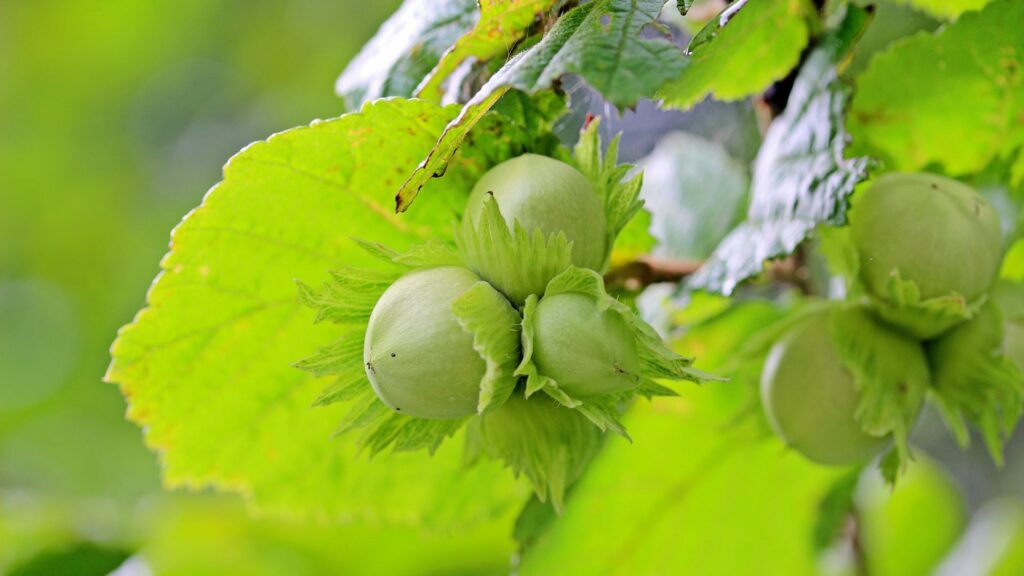
Hazelnuts, which naturally fall to the ground, were traditionally gathered by hand: people bent down to each tree, picked up the nuts, placed them into sacks, and felt exhausted long before the work was done. Harvest on one hectare could keep dozens of people busy for many days, and any delay led to part of the nuts spoiling or falling victim to moisture and pests. Later, sweepers and mechanical vacuums appeared in orchards, which accelerated the process but still did not free the farmer from the need to control each stage manually, sort the nuts, and fight inevitable losses.
Transition to Mechanization
The world was gradually moving towards new technologies, and growers striving for stability increasingly considered mechanization. Investments in nut-harvesting combines were no longer seen as excessive, since they allowed the complex seasonal marathon to be transformed into a well-organized process that ensures quick harvesting, minimizes losses, and enables further orchard work without constant time pressure.
FACMA Machinery for Hazelnut Harvesting
Among the equipment that has earned authority in Europe and has long established itself in Ukraine, FACMA combines hold a special place. These machines are designed with the specifics of hazelnut, chestnut, and other nut crops in mind. They not only pick nuts from the ground but also immediately clean them from leaves and twigs, delivering a ready-to-use harvest to the farmer.
Cimina Trailed Harvester
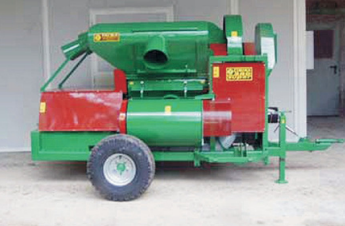
FACMA offers several solutions depending on farm size and orchard conditions. The Cimina trailed harvester is considered a reliable assistant for medium-sized areas: its design allows efficient nut collection using a turbine system, while its ease of operation makes it convenient in daily work.
SEMEK 1000 Self-Propelled Harvester
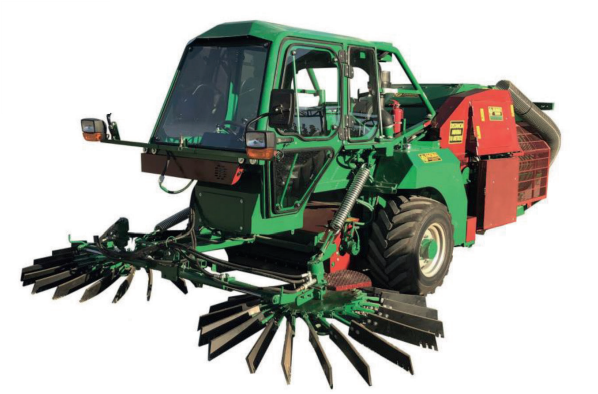
For large plantations, where scale demands even higher productivity, the SEMEK 1000 self-propelled harvester was created, combining front pick-up, a powerful engine, and a comprehensive cleaning system, which makes harvesting a continuous process that leaves no room for accidental losses.
Effects of Mechanization and Choosing Machinery
The experience of farmers who have already switched from manual to mechanized harvesting shows how radically a farm can change when dependence on large numbers of seasonal workers decreases and harvesting time is reduced many times over. Growers gain the ability to expand orchard areas without fear of missing harvest deadlines, while saved resources can be directed to plant care, infrastructure upgrades, or the development of new business directions.
How to Choose a FACMA Harvester
When choosing a FACMA harvester, the farmer should first consider the orchard size and terrain features: flat plots offer more opportunities for trailed models, while more complex and larger areas require self-propelled machines. It is this individual approach to selection that allows the harvester to become not just a technical tool but a strategic partner that ensures stability and consistency throughout the season.
Conclusion
In today’s conditions, when the market dictates requirements for speed, efficiency, and quality, refusing mechanization seems less and less practical. Manual harvesting may still remain a reality for small orchards, but for those who see their future in serious hazelnut production, FACMA combines become an indispensable tool. They not only preserve the harvest in its best quality but also take the farm to a new level of organization, where the harvesting season ceases to be a stressful challenge and becomes a well-planned part of the production cycle.