

Hazelnut Business Consulting: How to Start Planning Your Orchard
04.04.2025
Brovind IB50 Equipment Already Installed at Agri-Export Clients!
04.04.2025
Garden Design as an Effective Business Strategy
Designing a garden for business is a complex process that requires careful planning, market analysis, choosing the optimal land and plant species, and implementing modern care technologies. Such a garden can become a high-yielding asset for the business, contributing to profitability and efficient resource use. Fruit and nut gardens are among the most popular directions in the gardening business due to the demand for products both in local and international markets.
Key Stages of Garden Design for Business
Market Analysis and Choosing the Garden Types
The first step in designing a garden for business is market analysis. Identify which product has the highest demand in your region or target markets, such as fruits, nuts, berries, etc. This will help you choose the type of garden:
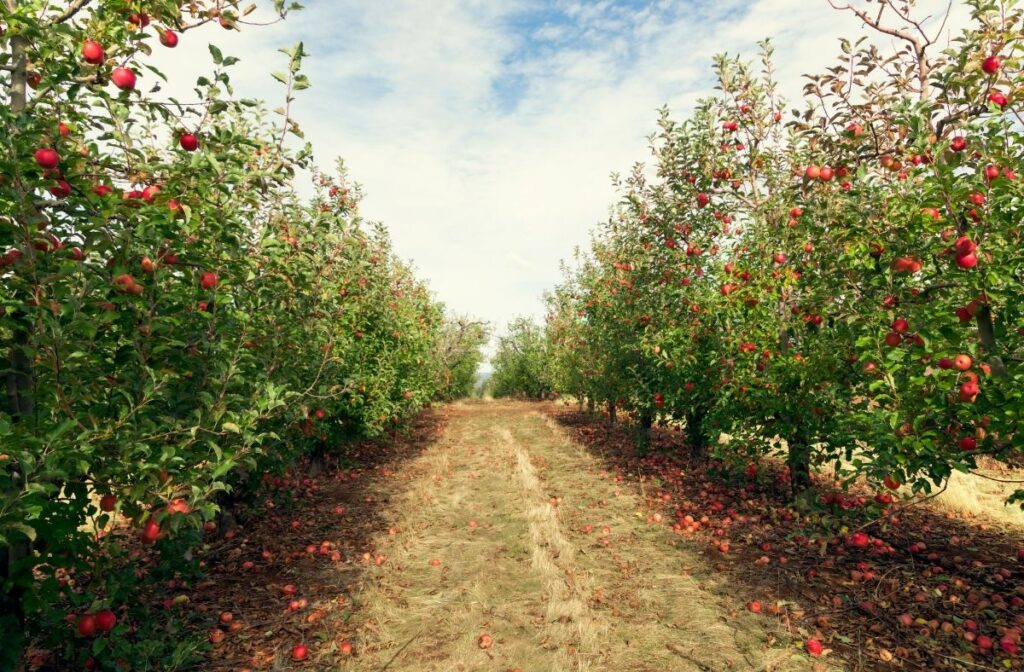
- Fruit garden: apples, pears, cherries, peaches.
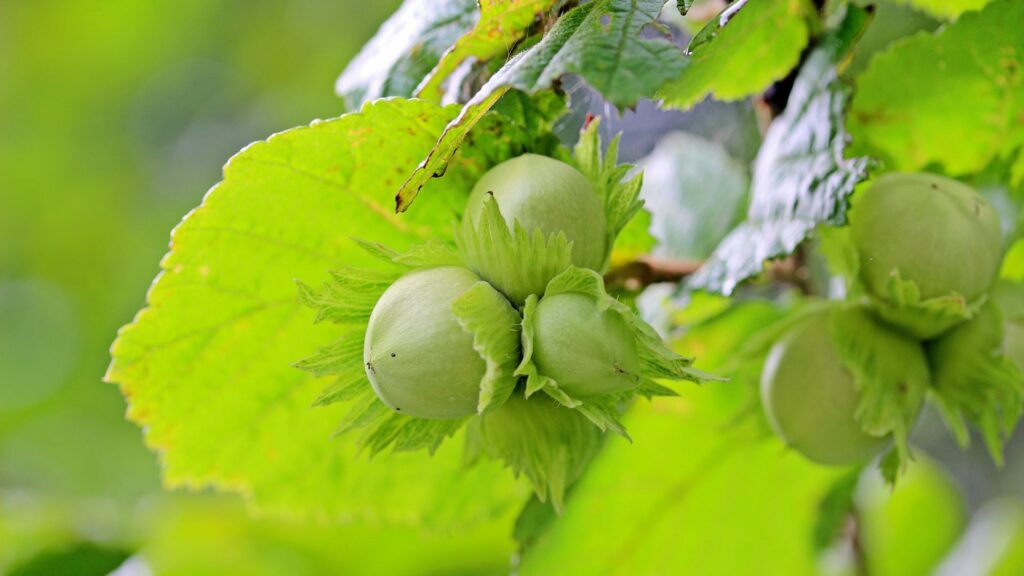
- Nut garden: walnuts, hazelnuts, almonds.
- Berry garden: raspberries, currants, blueberries.
When choosing the garden crop, consider its profitability, cultivation and processing costs, storage and transportation options.
Choosing the Plot and Preparing It for Garden Design
Carefully chosen and prepared soil is the key to a successful harvest. When selecting a plot, pay attention to the following factors:
- Soil type: sandy, clay, or black soil. Fertile soils with good drainage are optimal for most gardens.
- Climate conditions: it is important to consider seasonal temperature fluctuations, winds, and precipitation levels.
- Topography: flat or sloped terrain will affect planting and care.
After selecting the plot, it should be cleared, the soil prepared, and improved if necessary (by adding fertilizers and mulching).
Planning and Zoning the Garden
Effective zoning helps optimize resource use. Divide the area into separate sections for each crop type, ensuring adequate spacing between trees or bushes. Additional zones may include:
- Equipment storage areas: rooms for machinery, fertilizers, tools.
- Drainage and irrigation systems: allocate space for convenient installation and access to irrigation systems.
- Processing and storage zones: warehouses or refrigeration chambers for temporary harvest storage.
Choosing Plants and Planting Materials
Advantages of Adapted Varieties
For a commercial garden, it is particularly important to choose adapted varieties that are high-yielding, disease-resistant, and resilient to climate changes. Modern varieties of nuts, fruits, and berries can have significantly higher productivity than traditional ones, so it’s worth considering the possibility of upgrading varieties in collaboration with suppliers and agronomists.
Selecting Care Technologies and Process Automation
Modern agricultural technologies help significantly reduce care costs and increase yields. Consider the following solutions:
- Automatic irrigation systems: drip irrigation or misting systems for berry crops.
- Moisture control sensor systems: sensors that automatically adjust irrigation levels.
- Tree processing technologies: machines for pruning, spraying, and harvesting.
Implementing automation technologies reduces labor costs and improves the quality of garden care.
Caring for the Business Garden: Main Measures
Seasonal Care and Fertilization
Plants in the garden need care throughout the year. The main tasks include:
- Spring fertilization: applying fertilizers, preparing the soil for active growth.
- Pruning: shaping trees and bushes to enhance productivity.
- Pest control: regular spraying or biological pest control.
Maintaining Plant Health and Disease Monitoring
Regular monitoring of plant health helps quickly identify and resolve problems. This can include:
- Diagnosing diseases and pests.
- Selecting protective agents that meet modern environmental standards.
- Using bioinsecticides and natural pest control methods.
Benefits of Professional Garden Design for Business
A professional approach to designing a garden for business allows you not only to create an effective and profitable garden but also to avoid many mistakes that can lead to financial losses. The benefits of professional design include:
- Optimal plot planning: professionals will develop an optimal zoning plan to improve garden productivity.
- Choosing the right varieties and care technologies: experienced agronomists will select the best varieties for your conditions and recommend appropriate technologies.
- Resource savings: using automated systems helps reduce care costs and increase yields.
Designing a garden for business is a multifunctional process that requires knowledge and well-considered decisions. A well-designed garden, where all aspects of care and zoning are taken into account, will become a reliable source of income for your business and contribute to the ecological development of the region.